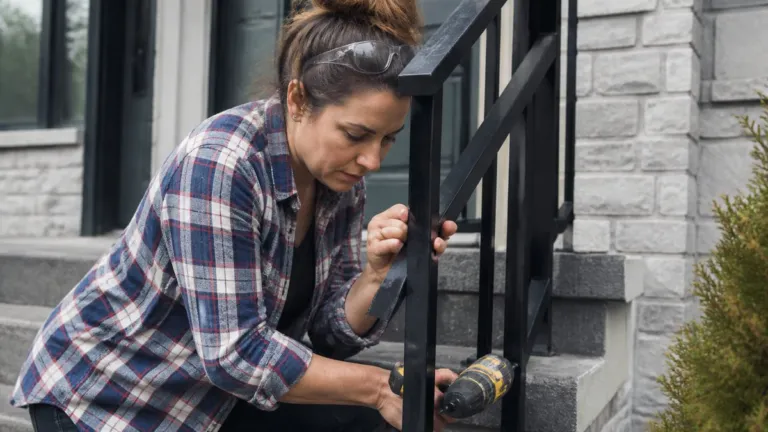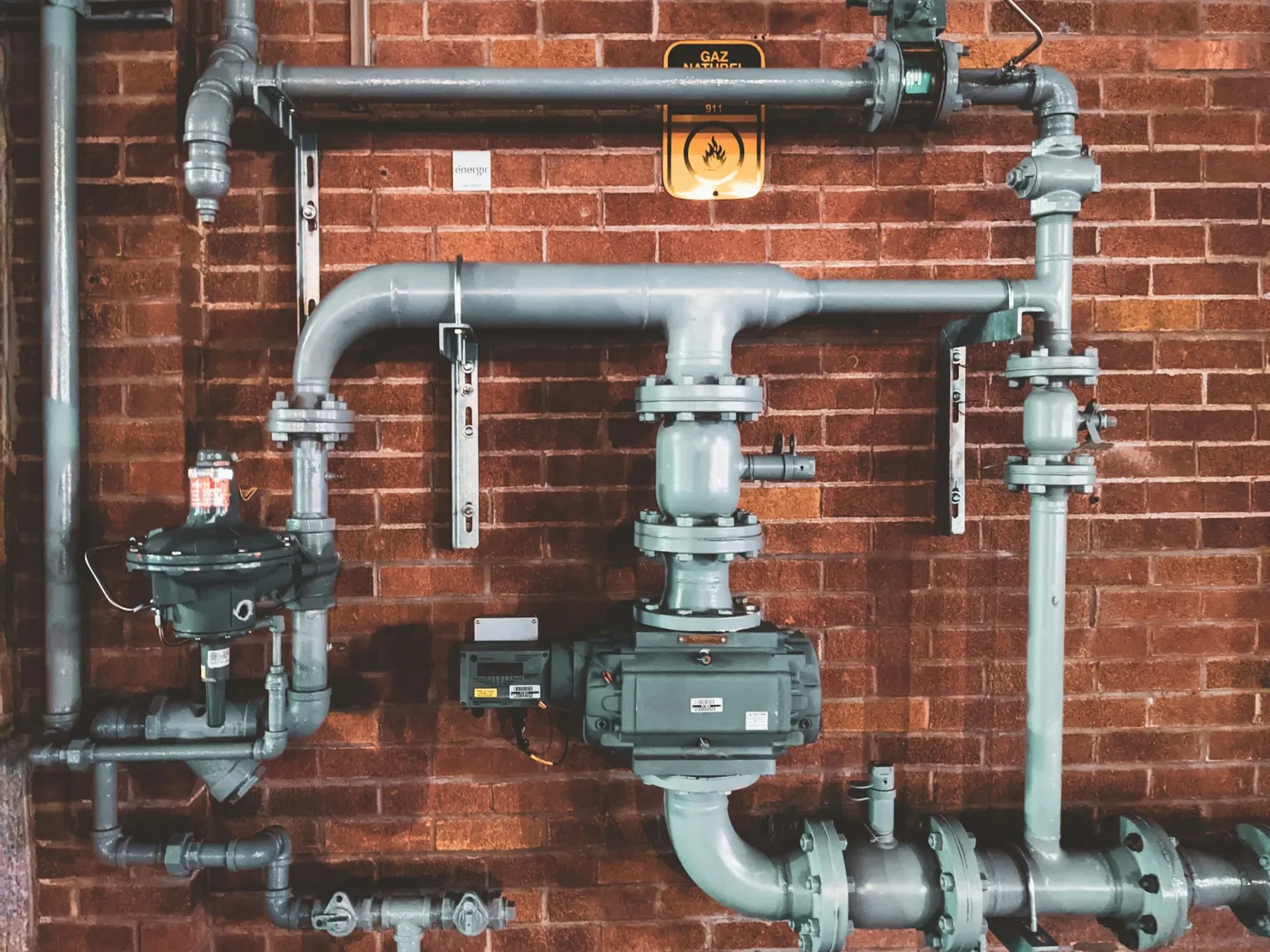
The plumbing problems a home inspection finds most often are leaks under sinks, slow drains, running toilets, aging or poorly installed water heaters and signs of past water damage. Most are inexpensive to fix if you catch them before listing, and costly to negotiate once they appear in a buyer’s report. At TheKabza.com we encourage sellers to do a simple plumbing walk-through weeks before the home goes on the market.
Key takeaways
- Inspectors look for active leaks, water stains, slow drains, low water pressure and water heater safety issues.
- The water heater’s age, venting and pressure relief valve are among the most commonly flagged items.
- Many buyers order a separate sewer line camera inspection, especially on older homes.
- Fixing small leaks early prevents mold and costly repair requests during the option period.
What a home inspector checks
A standard inspection is visual and non-invasive. The inspector runs faucets and showers, flushes toilets, looks under sinks and checks visible supply and drain lines, the water heater and the main shutoff.
They are not opening walls or digging up pipes, so they report what they can see and test. A stain, a slow drain or a corroded fitting can still prompt a recommendation for a licensed plumber to investigate further.
In Texas, that report usually arrives during the option period, when the buyer can renegotiate or walk away. Our guide to the Texas option period explains how repair requests are typically handled.
Common plumbing findings
These are the items that appear on reports again and again. The table shows why each one matters and what a seller can do about it.
| Finding | Why buyers care | Typical seller response |
|---|---|---|
| Leaks under sinks | Water damage and mold risk | Tighten or replace fittings and traps; dry and repair cabinet floor |
| Running or loose toilet | Wasted water, possible floor damage | Replace flapper or fill valve; reset with new wax ring |
| Slow or gurgling drains | Possible blockage or venting issue | Clear drains; have a plumber check if it persists |
| Water heater issues | Safety and replacement cost | Correct the relief valve discharge and venting; consider replacement if failing |
| Low water pressure | Daily annoyance; may signal pipe problems | Clean aerators; have a plumber assess supply lines |
| Outdated pipe materials | Insurance and failure concerns | Get a plumber’s evaluation; repair or disclose |
| Missing or stuck shutoff valves | Harder to stop a leak | Replace valves at fixtures and test the main shutoff |
Water heater red flags
The water heater draws attention because it combines water, heat and, for gas units, combustion. Inspectors commonly note:
- A temperature and pressure relief valve with a missing, undersized or improperly routed discharge pipe.
- Rust or corrosion on the tank, fittings or connections.
- Water pooling under the tank or a missing drain pan where one is needed.
- Gas venting that is disconnected, poorly sloped or too close to combustibles.
- Missing seismic or earthquake straps where local code requires them.
- An older unit nearing the end of its useful life, based on the manufacture date on the label.
Gas and venting problems are safety issues. Leave them to a licensed plumber, and never disable or plug a relief valve. If replacement is needed, the ENERGY STAR heat pump water heater page explains a high-efficiency option and suggests planning ahead rather than replacing in an emergency. Many Texas cities require a permit for water heater replacement.
Sewer lines and drains
Main sewer lines are underground, so a standard inspection cannot see them. Many buyers pay for a separate camera inspection, especially for older homes, homes with large trees or houses with a history of backups.
Roots, sagging sections, cracks and older pipe materials can show up on camera. If you know of past problems, keep the repair invoices ready. If you are unsure, a pre-listing scope can prevent surprises, and TheKabza.com agents often recommend one for older homes.
Slab leaks and foundations
Many homes in Texas and the Sun Belt sit on concrete slabs with plumbing below. Warm spots on floors, the sound of running water when fixtures are off or an unexplained jump in water use can point to a leak under the slab. A licensed plumber can test and locate it.
A pre-listing plumbing checklist
The EPA’s Fix a Leak Week page describes simple leak checks you can do yourself. Before you list, work through this list:
- Read the water meter, avoid using water for two hours and read it again.
- Put food coloring in each toilet tank to check for silent leaks.
- Look under every sink for drips, stains and soft cabinet floors.
- Run every faucet and shower and watch how quickly drains clear.
- Check ceilings below bathrooms for stains.
- Test hose bibs and irrigation connections outside.
- Find and label the main water shutoff.
Bathrooms concentrate many of these issues, so our guide to bathroom updates that help a home sell is a useful companion. For homes where the HVAC is also aging, see our article on HVAC lifespan in hot climates.
Repair, credit or disclose?
Small fixes are almost always worth doing before listing. For larger items, such as a sewer line or repiping, compare the repair cost with the credit a buyer would likely request.
Whatever you choose, disclose known defects honestly on the Texas seller’s disclosure notice and keep documentation of repairs. Your agent can help you weigh the options against local market conditions.
Buyers can use this same list to know what to ask about; our buying guides cover the inspection process in more detail. Find more system advice in our plumbing and HVAC guides, or start a conversation with TheKabza.com about getting your home ready for inspection.
This article is general information, not professional plumbing, inspection or legal advice. Use licensed plumbers for repairs, especially gas and water heater work, and follow local permit rules.
Frequently asked questions
What plumbing issues fail a home inspection?
Home inspections are not pass or fail, but some findings carry more weight. Active leaks, water damage, sewer backups, unsafe water heater venting or relief valve problems and very low water pressure tend to prompt repair requests. Buyers then decide whether to ask for repairs, a credit or a lower price.
Do home inspectors check the sewer line?
A standard home inspection usually does not include the main sewer line, because it is buried. Inspectors check visible drains and how fixtures drain. Many buyers order a separate sewer camera inspection, particularly for older homes or properties with large trees, to look for roots, cracks or sagging pipe sections.
Should I replace an old water heater before selling?
Replace it if it is leaking, unsafe or no longer works reliably. If an older unit runs well and is installed correctly, fixing any safety items such as the relief valve discharge or venting may be enough. Compare the replacement cost with the credit a buyer might request after their inspection.
How can I check for hidden water leaks?
Turn off all water use, read the meter, wait two hours and read it again. Any change suggests a leak. Add food coloring to toilet tanks to check flappers, and look for stains, soft floors or musty smells. For suspected slab or in-wall leaks, call a licensed plumber.