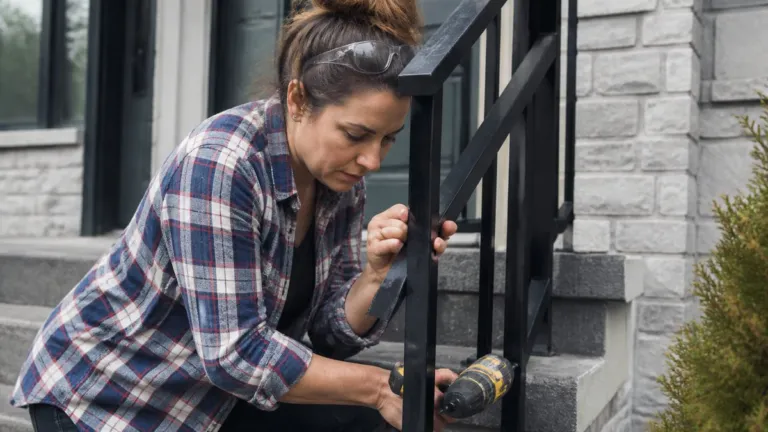
A realistic renovation budget in Texas starts with a clear scope, written bids, a contingency for surprises and the cost and time of permits. Most cities require permits for structural, electrical, plumbing and mechanical work, and skipping them can cause trouble when you sell. At TheKabza.com we encourage owners to plan the permit path before they choose finishes, because it shapes both the schedule and the bill.
Key takeaways
- Build the budget from a written scope and several itemized bids, not from a single online estimate.
- Set aside a contingency for hidden problems, which are common in older homes.
- Permits are set by your city or county, not the state. Check before work begins.
- Keep permits, final inspections and invoices. Buyers, appraisers and insurers may ask for them.
Start with the scope, not the number
Most budgets go wrong because the scope was vague. “Update the bathroom” can mean new paint and a faucet or moving every fixture to a new wall.
Write down exactly what will change, room by room. Note which items are must-haves and which are nice-to-haves, so you know what to cut if bids come in high.
If you are renovating to sell, focus the scope on what buyers notice. Our guide to renovations that add value explains which projects tend to help at resale and which rarely pay back.
What goes into a renovation budget
A complete budget covers more than materials and labor. Use this table as a checklist when you compare bids.
| Budget line | What it covers | Easy to overlook? |
|---|---|---|
| Labor | General contractor and trade crews | No |
| Materials and finishes | Cabinets, tile, fixtures, flooring, paint | Sometimes, when allowances are low |
| Design or engineering | Plans, structural review, drawings for permits | Yes |
| Permits and inspections | City fees and any re-inspection fees | Yes |
| Demolition and disposal | Removal, dumpsters, haul-off | Yes |
| Contingency | Rot, outdated wiring, plumbing surprises | Very often |
| Living costs | Eating out, temporary housing, storage | Very often |
Allowances and change orders
Many bids include allowances, which are placeholder amounts for items you have not chosen yet. If the allowance is unrealistically low, the final bill will rise as soon as you pick real products.
Change orders are the other budget leak. Agree in writing on how changes are priced and approved before work starts.
How permits work in Texas
Texas does not run a single statewide permit office for home renovations. Permits are issued by the city, or by the county in some unincorporated areas, and the rules differ from place to place.
Austin is a useful example. The city’s list of permit types separates interior remodel permits, which apply when work changes structural components or moves or adds plumbing fixtures, from express permits for smaller jobs such as some kitchen and bathroom remodels, roofing, siding and window replacement. Its homeowner permitting resources also explain why permits matter for insurance and future sales.
Dallas, Houston, Fort Worth and other cities have their own systems. Check your city’s development services website or call before you sign a contract.
Work that commonly needs a permit
- Removing or moving walls, or any structural change.
- New or relocated plumbing fixtures, and water heater replacement in many cities.
- New circuits, panel changes and other electrical work.
- HVAC replacement and new ductwork.
- Additions, garage conversions, decks and some fences.
- Roofing and window replacement in some cities.
Plumbing, electrical and HVAC work in Texas is done by state-licensed trades. Our plumbing and HVAC guides cover what those systems need, and our article on plumbing problems a home inspection finds shows why permitted, documented work helps when you sell.
Choosing and paying a contractor
Get at least three written, itemized bids for the same scope. Ask who will pull the permits and make that responsibility part of the contract.
Check references and recent work, confirm insurance and verify licenses for the trades involved. Be cautious of anyone who wants large cash payments up front or suggests skipping permits to save money.
Tie payments to completed milestones, such as passed inspections, and keep the final payment until the work is finished and the final inspection is approved. TheKabza.com sees far fewer disputes when the payment schedule is written into the contract from day one.
Unpermitted work and selling later
Unpermitted work does not always stop a sale, but it creates questions. Buyers’ inspectors may flag it, appraisers may not count unpermitted square footage, and lenders or insurers may hesitate.
Texas sellers must disclose known defects on the seller’s disclosure notice, and the buyer will usually have an option period to inspect. Fixing permit problems before listing is often simpler than negotiating around them.
Keep a folder with permits, final inspection results, warranties and invoices. If you plan to rent the home instead, that same file helps your property manager handle future repairs.
A simple planning sequence
- Define the scope and rank the items.
- Check permit requirements and any HOA or deed restrictions.
- Collect itemized bids and compare them line by line.
- Set the budget with a contingency and a cut list.
- Sign a written contract with a payment schedule and permit responsibility.
- Schedule inspections and keep every document.
For more planning advice, browse our renovation guides, or ask TheKabza.com’s agents how a project could affect your home’s value before you commit. Planning a bathroom first? See our guide to bathroom updates that help a home sell.
This article is general information, not legal, construction or financial advice. Permit rules change and vary by city and county, so confirm requirements with your local building department.
Frequently asked questions
How much contingency should a renovation budget include?
There is no fixed rule, but most planners set aside a meaningful share of the project cost for surprises. Older homes, projects that open walls or floors, and work involving plumbing or wiring usually need a larger cushion. Decide in advance which nice-to-have items you will cut if the contingency gets used.
Can a Texas homeowner pull their own permit?
In many Texas cities, a homeowner can obtain certain permits for work on a home they own and live in. Austin, for example, lets homeowners register to request permits and schedule inspections. Licensed trade work such as electrical or plumbing may have separate rules. Check with your city before starting.
What happens if I renovated without a permit?
The work may be questioned when you sell, refinance or file an insurance claim. Many cities let owners apply for permits after the fact, which can involve opening walls for inspection. Talk to your city’s building department and, if you are selling, discuss disclosure with your agent and an attorney.
Do HOAs have their own approval process?
Many do. Homeowners associations often require approval for exterior changes such as roofing materials, paint colors, fences, additions and landscaping. HOA approval is separate from a city permit, and you may need both. Read your deed restrictions and submit plans early so approval does not delay your contractor.