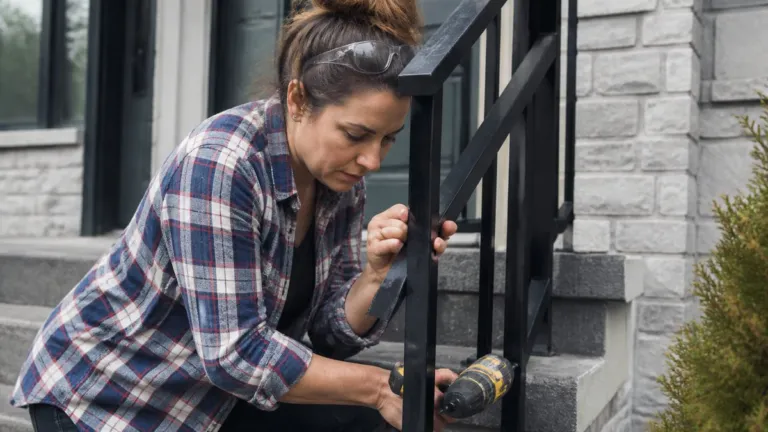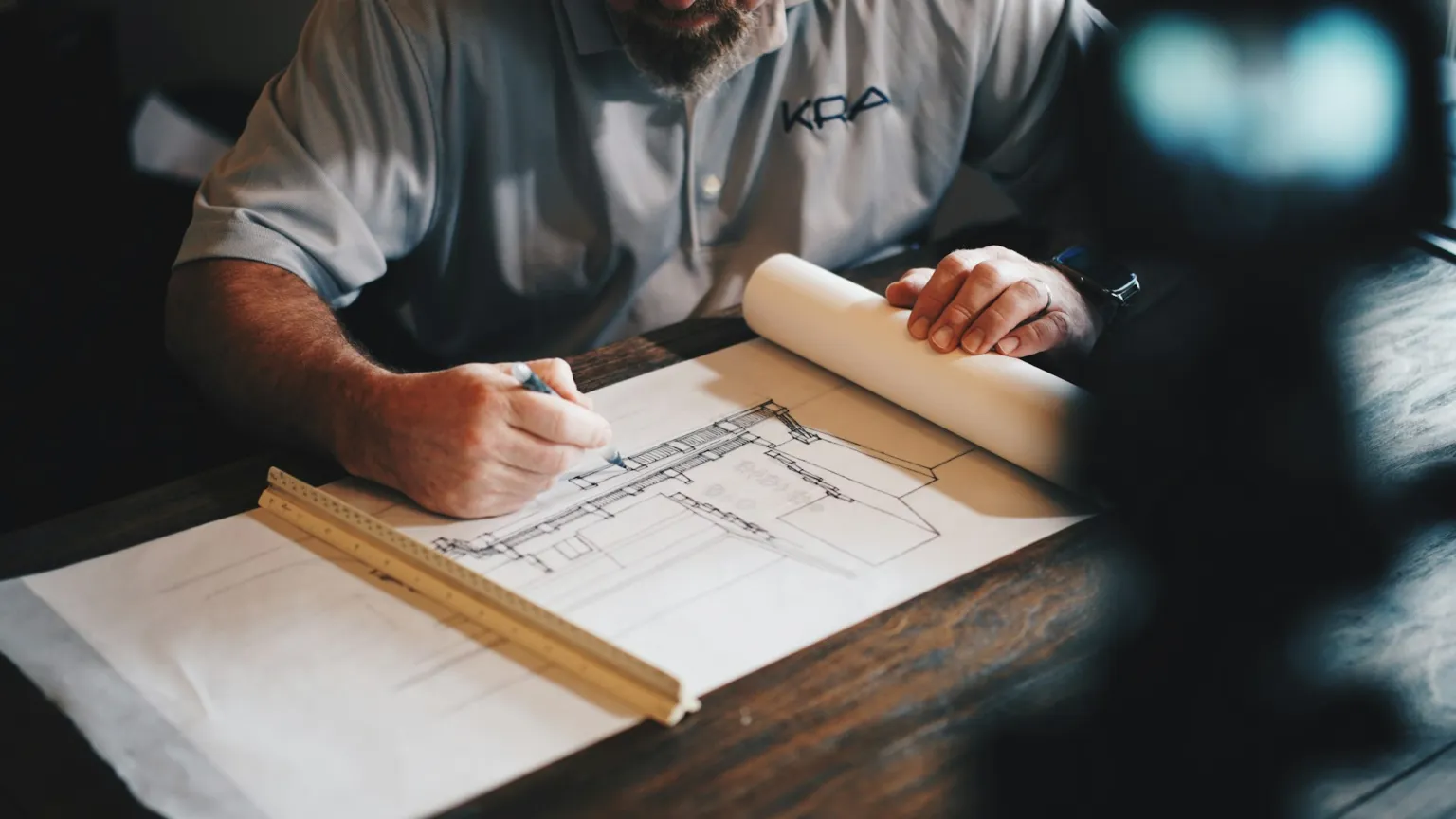
The renovations that add value at resale are usually the unglamorous ones: fixing what an inspector would flag, refreshing worn surfaces and making the home feel cared for. Big custom projects rarely pay back in full when you sell, especially if you only own the home for a few more years. At TheKabza.com we look at every project through one question: will a buyer in this neighborhood pay more for it, or simply expect it?
Key takeaways
- Repairs and maintenance usually beat upgrades. Buyers discount a home quickly for deferred maintenance.
- Cosmetic refreshes such as paint, lighting and hardware are low-risk ways to improve first impressions.
- Match your neighborhood. Renovating well above nearby homes is the fastest way to lose money.
- Permits matter. Unpermitted work can surface during the buyer’s inspection or appraisal and slow your sale.
Why most renovations don’t pay for themselves
A renovation adds value only to the extent that buyers and appraisers recognize it. Appraisers compare your home with recent nearby sales, so a luxury kitchen in a street of starter homes may barely move the number.
Taste is the other problem. The bold tile you love may be something the next owner plans to rip out. Buyers tend to pay for condition and function, then apply their own style later.
That does not mean you should never renovate. It means you should separate projects you do for your own enjoyment from projects you do to sell.
Projects that usually help at resale
These are the projects we most often see make a listing easier to sell. None of them is guaranteed to return its full cost, but each one removes a reason for a buyer to ask for a discount.
- Fresh interior paint in neutral, light colors. It photographs well and makes rooms feel larger.
- Repairs to anything broken: dripping faucets, sticking doors, cracked tiles, missing outlet covers.
- Lighting updates that replace dated fixtures and brighten dark rooms.
- Minor kitchen refreshes such as new hardware, faucets, or painted cabinets rather than a full gut.
- Flooring repairs where carpet is stained or hard surfaces are damaged.
- Curb appeal work: trimmed landscaping, a clean entry, a painted front door.
- Systems in good working order, especially HVAC, water heater and roof.
If the kitchen is the weakest room, our guide to a kitchen remodel before selling explains how to decide between a refresh and a full remodel.
Comparing common projects
The table below compares typical projects by how buyers tend to react. Actual results depend on the home, the price point and the local market.
| Project | Typical buyer reaction | Risk of overspending |
|---|---|---|
| Interior paint | Home feels clean and move-in ready | Low |
| Fixing deferred maintenance | Fewer inspection requests and price reductions | Low |
| Minor kitchen refresh | Kitchen no longer reads as dated | Low to moderate |
| Bathroom update | Positive, if finishes are neutral | Moderate |
| Full kitchen remodel | Valued, but rarely at full cost | High |
| Room addition | Depends heavily on neighborhood and permits | High |
| Swimming pool | Mixed; some buyers see upkeep and liability | High |
Fix the things inspectors will find
Most buyers in Texas hire an inspector during the option period, and that report often drives a renegotiation. Our explainer on the Texas option period covers how that window works.
Before listing, think like the inspector. Roof leaks, water stains, aging HVAC equipment, a corroded water heater, missing GFCI protection near water and poor drainage near the foundation all tend to show up in reports. Fixing them before listing usually costs less than conceding a credit later, which is why TheKabza.com agents often suggest a pre-listing inspection.
Some items need licensed professionals. Electrical, gas and major plumbing work should be done by licensed trades, with permits where required.
Older homes and lead paint
If your home was built before 1978, painted surfaces may contain lead. Contractors paid to disturb that paint must follow federal lead-safe rules; the EPA’s Renovation, Repair and Painting program explains who is covered. Ask any contractor about it before sanding or demolition starts.
Projects that often disappoint
Some projects make sense for the people living in the home but rarely pay off at sale:
- Highly personal finishes, such as unusual colors, themed rooms or niche built-ins.
- Converting a bedroom into an office, gym or closet, which can reduce the bedroom count buyers search by.
- Luxury upgrades well above what nearby homes offer.
- Unpermitted garage conversions or additions, which can create problems with appraisal, insurance and the buyer’s lender.
Plan the budget and timeline before you start
Set a budget that includes a contingency for surprises, and decide in advance which projects you will cut if costs rise. Get written estimates from more than one contractor and never pay the full amount up front. The FTC’s guide on how to avoid a home improvement scam lists the warning signs.
In Texas cities, permits are often required for structural, electrical, plumbing and mechanical work. Our guide to renovation budgets and permits in Texas walks through what to expect.
Timing matters too. A half-finished project during showings hurts more than an unfinished wish list. Finish what you start, or leave it alone.
Talk to an agent before you swing a hammer
A local agent can tell you what comparable homes offered when they sold and which features buyers in your area actually ask about. Ten minutes of comparison can save you from a project that adds cost without adding price. Our selling guides cover pricing and preparation in more depth.
Browse our renovation guides for project-by-project detail, or see how the TheKabza.com team prepares homes for market on our sell your home page. Sellers weighing curb appeal first can start with our curb appeal checklist.
This article is general information, not professional construction, appraisal, legal or financial advice. Results vary by property and market, so get local advice before you commit to a project.
Frequently asked questions
Which renovation adds the most value to a home?
There is no single winner, because value depends on the home and neighborhood. In practice, fixing deferred maintenance and refreshing paint, lighting and fixtures tend to give the most reliable improvement relative to cost. Large remodels can raise a sale price but rarely recover their full cost when you sell.
Should I renovate before selling or sell as-is?
It depends on the home’s condition, your budget and your timeline. Small repairs that remove inspection objections are usually worth doing. Major renovations take time, add risk and may not pay back. An agent can compare as-is and updated sales nearby so you can weigh both options with real numbers.
Do I need permits for renovations in Texas?
Often, yes. Most Texas cities require permits for structural, electrical, plumbing and mechanical work, and some require them for roofing or window replacement. Rules vary by city and county. Unpermitted work can surface when you sell and may cause problems with the buyer’s inspection, appraisal, lender or insurance.
Does a new roof or HVAC system increase home value?
Buyers usually see a working roof and HVAC system as expected rather than as a bonus. Replacing failing systems may not raise the price dramatically, but it removes a major objection and can prevent a large repair request or price reduction after the inspection. That often makes the home easier to sell.