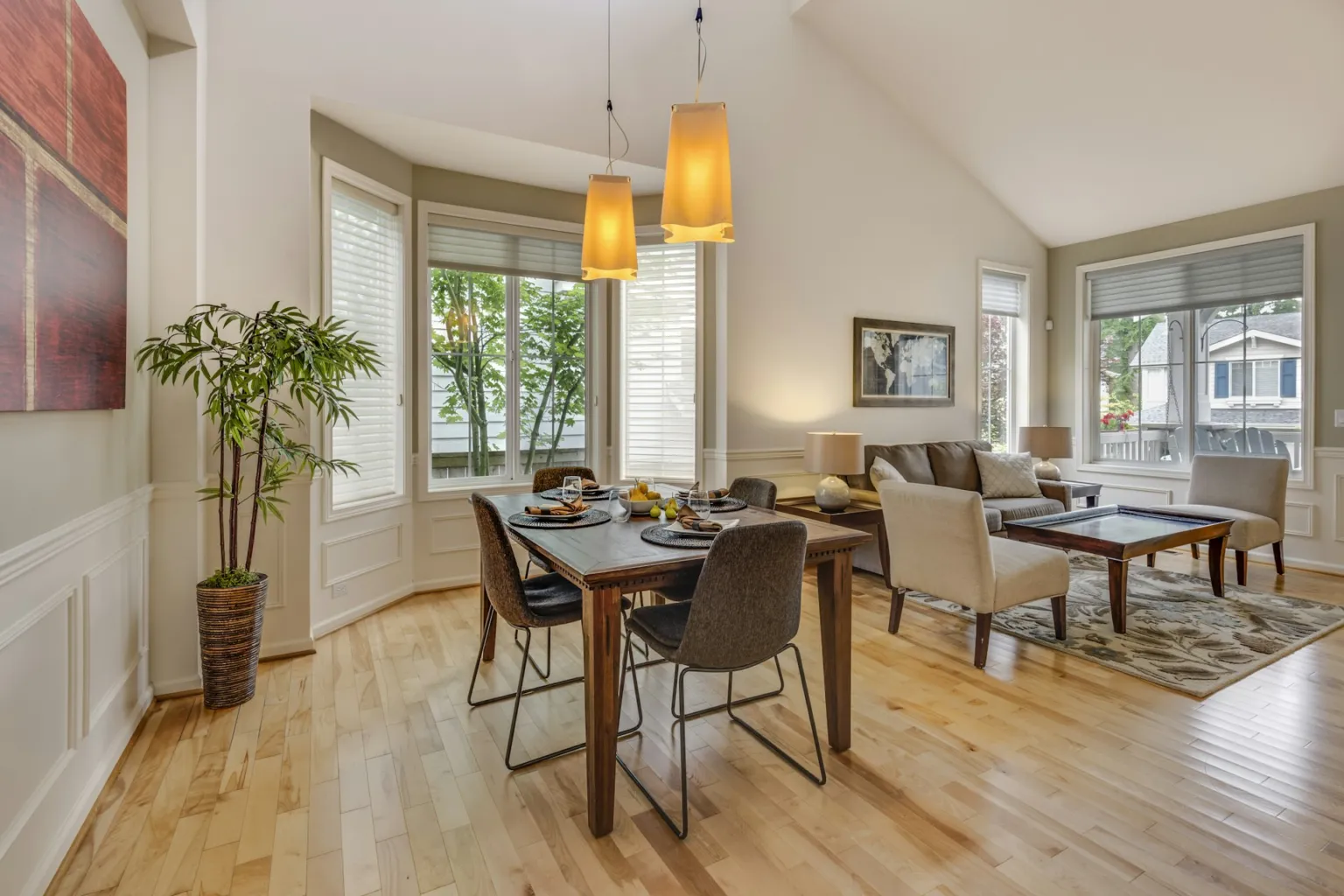
The best flooring for resale is usually the one that looks consistent, fits the price point of the neighborhood and suits each room: hardwood or a convincing wood look in living areas, tile or luxury vinyl plank (LVP) in wet rooms. Buyers react less to the material itself than to worn, mismatched or dated floors. At TheKabza.com we walk sellers through this room by room before any money is spent.
Key takeaways
- Consistency sells. One continuous floor through the main living areas usually reads better than three different materials.
- Refinishing existing hardwood is often a better pre-sale move than replacing it.
- LVP is a strong choice for kitchens, baths, laundry rooms and homes with pets, as long as quality matches the price point.
- Tile works well in wet areas and warm climates, but busy or dated patterns can work against you.
What buyers actually notice about floors
Most buyers do not inspect a floor sample. They notice three things in the first walkthrough and in the listing photos.
- Condition. Scratches, stains, lifting seams and soft spots suggest deferred maintenance elsewhere.
- Continuity. Frequent transitions between materials make rooms feel smaller and choppier.
- Fit. A floor that feels cheaper than the rest of the house, or far fancier than the neighborhood, both raise questions.
That is why the right answer for a starter home in a Houston suburb is different from the right answer for a Scottsdale luxury listing. Match the comparable homes, not a magazine spread.
Hardwood vs LVP vs tile at a glance
| Material | Where it shines | Watch-outs | Resale angle |
|---|---|---|---|
| Solid hardwood | Living, dining and bedrooms | Scratches, water damage, humidity movement | Widely recognized as a premium feature; can be refinished several times |
| Engineered hardwood | Main floors, slabs, condos | Thin wear layers limit refinishing | Reads as real wood to most buyers |
| Luxury vinyl plank | Kitchens, baths, laundry, pet homes, rentals | Low-end products look and feel cheap | Appreciated for durability and water resistance |
| Porcelain or ceramic tile | Baths, entries, kitchens, hot climates | Cold underfoot, grout upkeep, dated patterns | Expected in wet rooms; neutral large-format tile ages well |
| Carpet | Bedrooms in some markets | Stains, odors, allergies | Fine if new and neutral; worn carpet hurts photos |
Hardwood: refinish before you replace
If you already have solid hardwood under worn finish or old carpet, a sand-and-refinish is often the highest-impact flooring project a seller can do. It restores the look buyers expect from real wood without the cost of new material.
Engineered hardwood can sometimes be refinished too, but only if the wear layer is thick enough. Ask a flooring contractor to check before anyone starts sanding.
When hardwood is the wrong call
Hardwood is a poor fit for full bathrooms, laundry rooms and spaces with ongoing moisture. In humid climates such as Houston or Miami, wood moves with the seasons, so acclimation and installation quality matter more than the species.
LVP: durable, but quality shows
Luxury vinyl plank has become a default in many renovated homes because it handles water, kids and pets well. For sellers, the key is choosing a product with a realistic texture and a wear layer suited to how the home is used.
Very glossy or obviously repeating patterns can make an otherwise updated home feel like a flip. If the neighborhood comps all have wood floors, LVP in the main living area may stand out in the wrong way.
Some rigid-core and laminate products use composite wood layers. The EPA explains how formaldehyde emission standards for composite wood products work, which is worth knowing when you compare labels. We cover tougher options for tenants and pets in our guide to flooring for rental properties.
Tile: right room, timeless pattern
Tile is expected in bathrooms and common in entries and kitchens, especially in warm metros like Phoenix and Miami where a cool floor is a benefit. Neutral, large-format porcelain tends to age better than small busy mosaics or strong color.
Cracked tiles and stained grout are cheap to address and expensive to leave. Regrouting or replacing a few broken pieces is a typical pre-listing fix.
Choosing the best flooring for resale on a budget
If budget is limited, work in this order:
- Fix anything that looks like damage: soft spots, lifting planks, water stains, cracked tile.
- Deep-clean or replace stained carpet, especially in rooms that will be photographed.
- Refinish existing hardwood rather than covering or replacing it.
- Unify mismatched floors in the main living areas if the cost fits the expected price.
- Leave secondary rooms alone if they are clean and in good shape.
Floors also carry a lot of weight in staging. Our home staging tips explain how rugs, furniture placement and light can make good floors look great. For broader context on preparing to sell, browse our selling guides or more posts in the flooring category.
Before you commit to a replacement project, ask your agent for comparable listings. TheKabza.com agents can show you what flooring the homes that sold recently in your area actually had, which keeps the budget honest. You can also start a conversation through our sell your home page or the TheKabza.com home page.
This article is general information, not professional construction or financial advice. Product performance, codes and buyer preferences vary by market and installation.
Frequently asked questions
Should I replace carpet with hardwood before selling?
Not automatically. If the carpet covers existing hardwood, pulling it up and refinishing is often worthwhile. Installing new hardwood throughout is a bigger decision that depends on what comparable homes offer. In many cases a professional clean or new neutral carpet in bedrooms is enough, while living areas get the attention.
Does LVP lower home value compared with hardwood?
Not by itself. Quality LVP that suits the home and neighborhood is widely accepted, especially in kitchens, baths and family homes. It can feel out of place when every comparable listing has real wood or when the product looks obviously artificial. Matching local expectations matters more than the label.
Is it worth refinishing hardwood floors before listing?
Often, yes. Refinishing removes scratches and dull finish, photographs well and costs far less than new flooring. Check the wood first: solid hardwood can usually handle it, while engineered floors need a thick enough wear layer. In pre-1978 homes, ask about lead-safe practices if painted trim will be disturbed.
What flooring is best for a home in a humid climate?
Porcelain tile and quality LVP handle humidity and spills well, which is why they are common in Houston and Miami. Engineered hardwood is more stable than solid wood if you want a real wood surface. Whatever you choose, proper acclimation, moisture testing of the slab and good installation matter most.