The most effective home staging tips are simple: remove clutter and personal items, arrange furniture so rooms feel open and useful, and make every space bright and clean. Staging is not about expensive décor; it helps buyers picture their own life in the home, online and in person. At TheKabza.com we plan staging alongside the listing photos, because that is where most buyers see a home first.
Key takeaways
- Declutter and depersonalize first. It costs little and has the biggest visual impact.
- Give every room one clear purpose, and arrange furniture to show it.
- Focus effort on the living room, kitchen, primary bedroom and entry.
- Light matters as much as furniture. Open blinds, add lamps and use consistent bulbs.
Start with less: declutter and depersonalize
Buyers need to see the house, not your belongings. Clutter makes rooms look smaller, and closets packed to the ceiling suggest there is not enough storage.
Pack early as if you have already sold:
- Clear kitchen and bathroom counters down to one or two items.
- Remove most family photos, collections, religious and political items.
- Thin out closets so they look roughly half full.
- Take extra furniture to storage so walkways are wide and obvious.
- Hide pet bowls, litter boxes and toys before photos and showings.
A short-term storage unit or a corner of the garage packed neatly is usually enough.
Fix the small things buyers notice
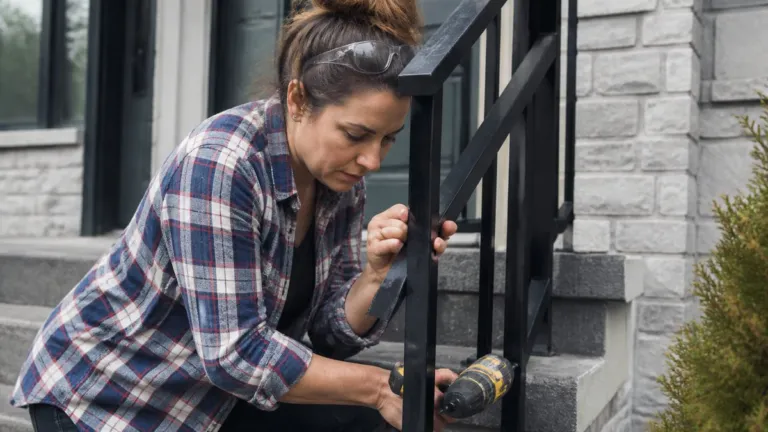
Staging cannot hide a dripping faucet or a dead bulb. Buyers read small defects as signs of bigger neglect. Tighten loose handles, patch nail holes, replace burned-out bulbs and fix sticking doors before anything else.
Our guide to pre-listing repairs worth doing explains which fixes to tackle yourself and which to leave to a pro.
Room-by-room staging priorities
| Room | Priority | Quick staging moves |
|---|---|---|
| Entry and front porch | High | Clean door, new mat, potted plant, working porch light |
| Living room | High | Float furniture off walls, one rug, fewer accessories, open blinds |
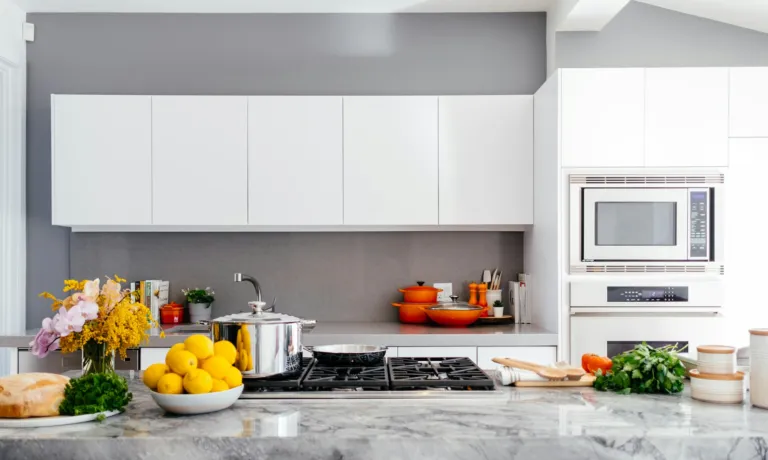
| Kitchen | High | Clear counters, clean appliances, one bowl of fruit or a plant |
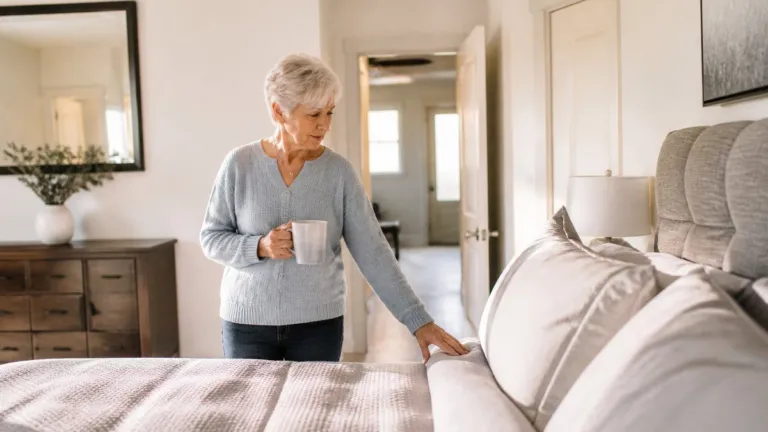
| Primary bedroom | High | Crisp neutral bedding, matching lamps, nothing under the bed |
| Bathrooms | Medium | Fresh white towels, new shower curtain, empty counters |
| Spare rooms | Medium | Stage as a guest room or office rather than storage |
| Garage and yard | Medium | Sweep, organize shelving, mow, edge and add fresh mulch |
Arrange furniture for flow
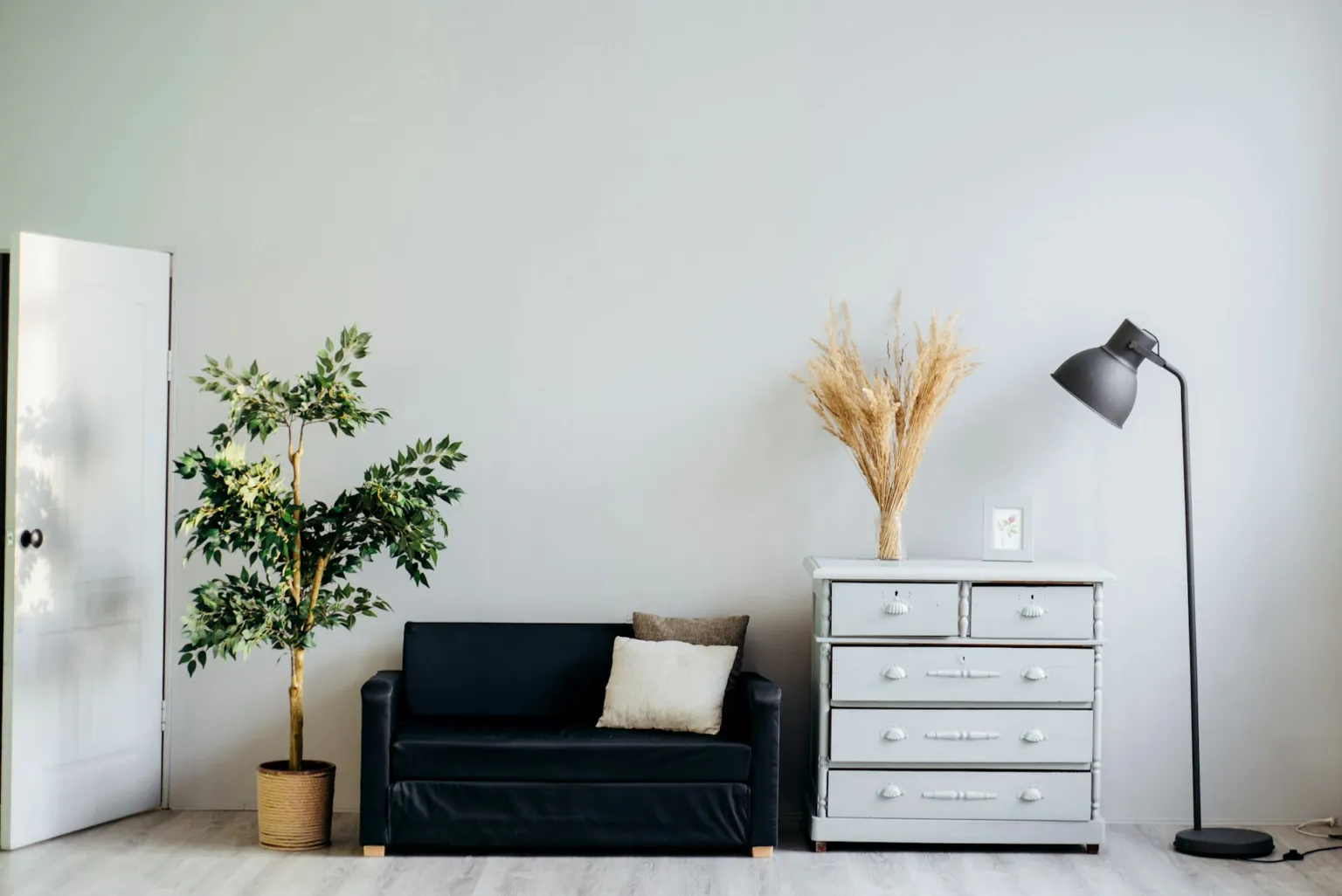
Pull sofas and chairs a little away from the walls and group them around a focal point, such as a fireplace, a window or the TV wall. A clear path from the front door through the main rooms helps buyers move naturally during showings.
Show each room’s purpose
A room that is half office, half gym and half storage confuses buyers. Pick one use per room. A small desk and chair can turn an awkward nook into a home office, and a bed with simple bedding makes a spare room count as a bedroom in buyers’ minds.
Scale and rugs
Oversized furniture shrinks a room. If a sectional swallows the living room, consider storing it and using a smaller sofa. Rugs should be large enough that at least the front legs of the furniture sit on them, which helps define spaces in open plans.
Neutral color, good light
Bold walls can distract in photos and in person. A fresh coat of a light, warm neutral helps rooms read as clean and spacious. Our post on paint colors for selling a house goes deeper on color and lighting for listing photos.
If your home was built before 1978, painted surfaces may contain lead. Hiring help that will sand or scrape? The EPA’s Renovation, Repair and Painting program requires certified firms to use lead-safe practices for paid work that disturbs paint in those homes.
For lighting, turn on every lamp for showings, open curtains fully and use bulbs of the same color temperature in each room so photos do not show mixed yellow and blue light.
Vacant vs occupied staging
Empty rooms can feel smaller and colder than furnished ones, and buyers struggle to judge scale. If the home is vacant, consider renting a few key pieces for the living room, primary bedroom and dining area.
If you are still living in the house, set up a quick “showing reset” routine: a basket for daily clutter, a cleaning caddy, and a plan for pets during appointments. TheKabza.com agents can group showings to keep disruption down.
Bring it together before photos
Stage the home fully before the photographer arrives, not after. Once photos are live, they set first impressions for every buyer who scrolls past. Our agents usually do a walkthrough a few days before the shoot to catch anything that will stand out on camera.
For more ideas, browse our decor guides and the full library of home selling guides. When you are ready to list, our sell your home page explains how we prepare, price and market a property, and the TheKabza.com real estate team can help you plan staging around your timeline.
This article is general information, not professional design, construction or legal advice. Follow safety guidance when moving furniture or working on ladders.
Frequently asked questions
Is professional home staging worth it?
It depends on the home, the price point and how the home looks now. Vacant homes, dated interiors and higher-priced listings often benefit most from professional help. Many sellers get much of the effect themselves by decluttering, cleaning, repainting in neutrals and rearranging furniture. Ask your agent which approach fits your local market.
Which rooms should I stage first?
Start with the rooms buyers care about most and that appear first in listing photos: the living room, kitchen, primary bedroom and entry. Bathrooms and outdoor spaces come next. Spare rooms should be staged with a clear purpose, such as a guest room or office, instead of being used for storage.
Should I stage an empty house?
Often, yes, at least partially. Empty rooms are harder to read in photos, and buyers may underestimate their size. Furnishing the living room, primary bedroom and dining area helps show scale and use. Rented furniture or a few well-chosen pieces can make the home feel welcoming without staging every room.
How long before listing should I start staging?
Begin decluttering and repairs several weeks before your target list date, since packing and fixes take longer than expected. Final staging, cleaning and lighting adjustments should be done a few days before the photo shoot. Keep a short daily reset routine once the home is on the market and showings begin.