A smart thermostat can lower heating and cooling costs by adjusting temperatures automatically when you are asleep or away, and by showing you how your system actually runs. Savings depend on your habits, climate and HVAC system, so the setup matters as much as the device. At TheKabza.com we see these tools help owners, landlords and sellers alike, especially in hot-summer metros.
Key takeaways
- A smart thermostat saves energy only when schedules and setbacks are set up and used.
- Check HVAC compatibility and wiring, including whether you need a C-wire, before you buy.
- Look for ENERGY STAR certified models, which are independently verified to save energy.
- Secure your Wi-Fi and accounts, and reset devices between owners or tenants.
How a smart thermostat saves energy
Heating and cooling are often among the largest energy uses in a home. A smart thermostat helps by running the system less when no one needs it, without relying on someone to remember to adjust it.
Most models offer some combination of these features:
- Schedules that change temperatures for sleep, work and weekends.
- Away detection using phone location or motion sensors.
- Remote control from an app, useful for travel and vacant properties.
- Usage reports that show how long the system runs each day.
- Maintenance reminders for filter changes.
ENERGY STAR describes certified smart thermostats as Wi-Fi enabled devices that are independently verified to save energy. That certification is a useful filter when you compare models.
Before you buy: compatibility and wiring
Most smart thermostats work with common central heating and cooling systems, but not every setup. Heat pumps, multi-stage systems, boilers and line-voltage baseboard heaters may need specific models.
The C-wire question
Many smart thermostats need constant power, usually supplied through a common wire, or C-wire. Older homes may not have one at the thermostat. Some models include an adapter; otherwise an HVAC technician can add the wire.
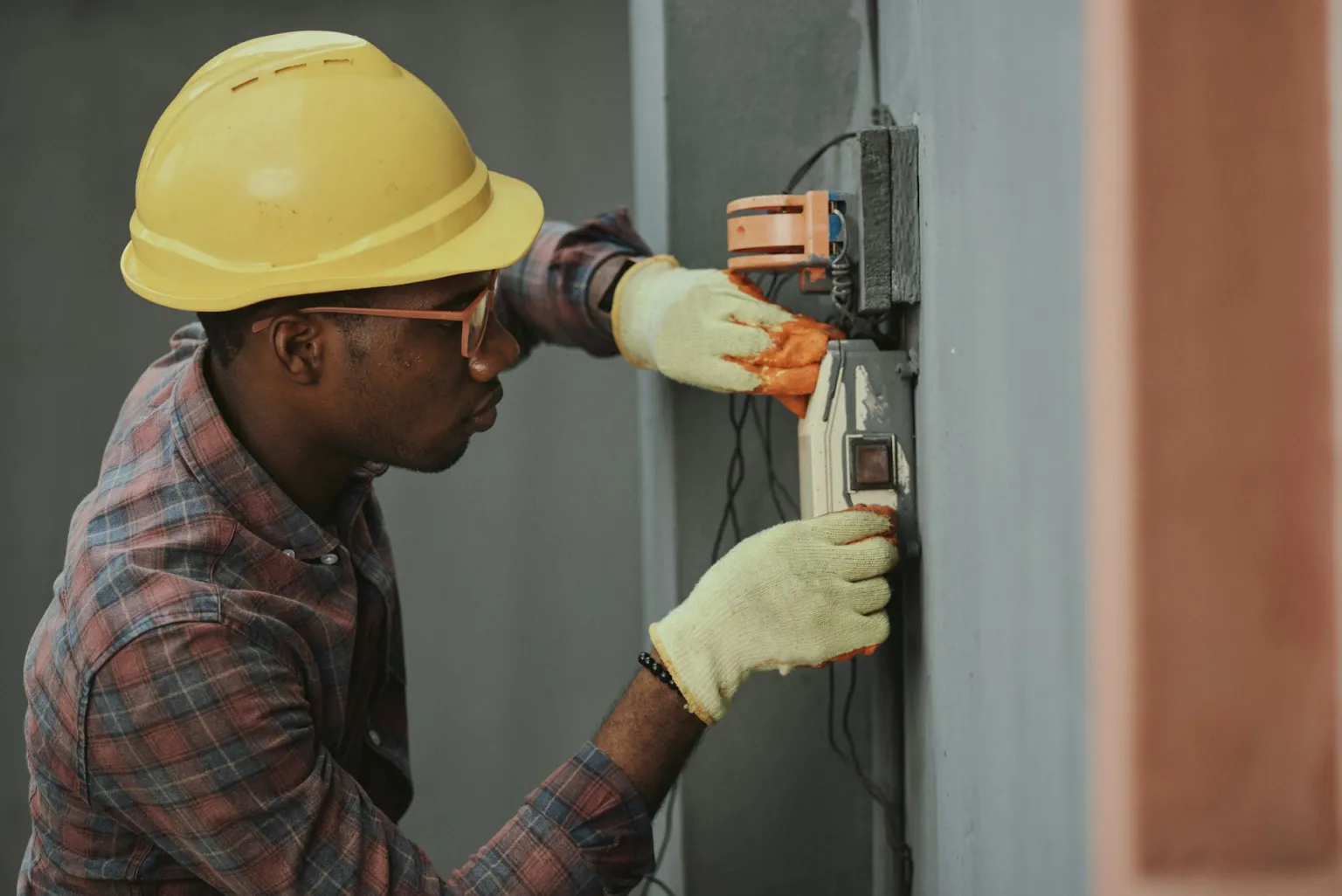
Always turn off power to the HVAC system at the breaker before removing an old thermostat. Take a photo of the existing wiring and labels first. If you see thick wires, a line-voltage label or anything unfamiliar, stop and call a licensed professional.
Energy tools compared
| Tool | What it does | Best for | Watch-outs |
|---|---|---|---|
| Smart thermostat | Schedules and automates heating and cooling | Almost any home with central HVAC | Wiring and system compatibility |
| Room or remote sensors | Balance temperature using readings from other rooms | Two-story homes and hot upstairs bedrooms | Extra devices and batteries |
| Smart plugs | Cut power to devices on a schedule | Electronics, window AC units, holiday lights | Check load ratings; avoid space heaters unless the plug is rated for them |
| Whole-home energy monitor | Shows real-time electricity use by circuit or device | Owners who want detailed data | Panel installation by a licensed electrician |
| Smart ceiling fan controls | Pair fans with cooling schedules | Warm climates | Fans cool people, not rooms; turn off when empty |
Settings that make the difference
A smart thermostat left on a single fixed temperature behaves like a basic one. To get value from it:
- Set a schedule around when the household actually sleeps, works and travels.
- Use modest setbacks when the home is empty, rather than shutting the system off in extreme weather.
- Turn on away mode or geofencing if everyone carries a phone.
- Review the usage report monthly and adjust the times that are running long.
- Keep filters clean and schedule routine HVAC service, so the system is not working against itself.
Comfort and safety come first. In very hot or very cold weather, keep homes with vulnerable occupants, pets or plants at safe temperatures.
For landlords and sellers
Landlords can use remote access to protect vacant units between tenants, for example by preventing frozen pipes in winter or extreme heat in summer. Set clear rules in the lease about who controls the thermostat and whether you can view usage data. Our renting guides cover the tenant side of these arrangements.
During a vacancy, keep a schedule that protects the home rather than one built for comfort, and check the app after storms or power outages to confirm the system came back online.
For sellers, a well-installed smart thermostat is an easy feature to mention in a listing. Our post on smart home upgrades buyers want explains how to present connected devices and hand them over at closing.
Security and privacy
A thermostat app can reveal when a home is empty. Use a strong, unique password, enable two-factor authentication and keep firmware updated. The FTC’s guide on securing your home Wi-Fi network covers the router basics. Remove old users whenever tenants or owners change.
Pair smart tools with basic maintenance
No device can make up for leaky ducts, clogged filters or worn weatherstripping. Use our seasonal home maintenance checklist to keep HVAC and insulation in shape, and browse more ideas in the smart home category.
Investors managing several properties can hand off thermostat rules, filter changes and vacancy checks through our property management services. Learn more about how we work at TheKabza.com real estate, where TheKabza.com agents serve owners across six metros.
This article is general information, not professional HVAC, electrical or cybersecurity advice. Turn off power before wiring and use licensed pros where required.
Frequently asked questions
How much can a smart thermostat save?
Savings vary widely with climate, household schedule, HVAC system and how the device is set up. Homes that are empty for long stretches and use schedules or away modes tend to benefit most. ENERGY STAR certification indicates a model has been independently verified to save energy, but your own settings determine the real result.
Do I need a C-wire for a smart thermostat?
Many models need constant power, which usually comes from a C-wire. Some include a power adapter or use other methods for homes without one. Check the manufacturer’s compatibility tool before buying. If you need a new wire run, or your system uses line voltage, hire an HVAC technician or electrician.
Can a landlord control a tenant’s thermostat?
It depends on the lease and local law. Some landlords set allowed temperature ranges or use remote access only for vacant units. Spell out control, data access and privacy in the lease, and avoid settings that could make the unit unsafe or uncomfortable. Check applicable state and local rules before restricting tenants.