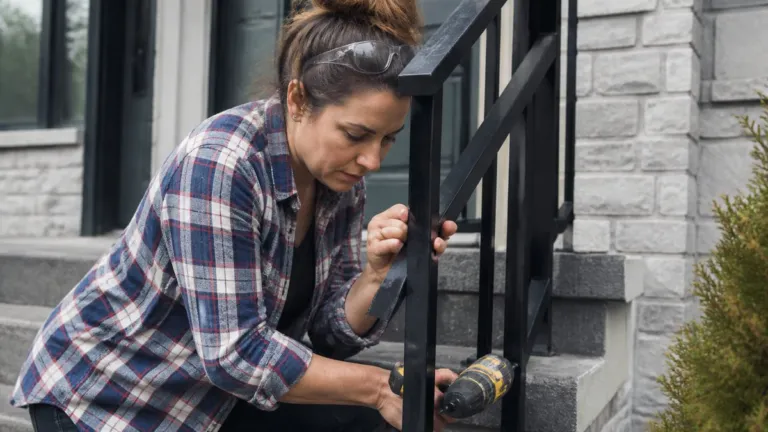
The pre-listing repairs worth doing yourself are the small, visible fixes that buyers and inspectors notice: dripping faucets, sticking doors, loose hardware, cracked caulk, scuffed paint and dead bulbs. They cost little, photograph well and reduce the list of items a buyer can negotiate over. At TheKabza.com we help sellers separate those quick wins from bigger jobs that need a licensed pro.
Key takeaways
- Prioritize safety items, then anything that looks like water damage, then cosmetic fixes.
- Small DIY repairs can shorten the buyer’s inspection list and support your asking price.
- Leave electrical panels, gas lines, roofing and structural issues to licensed professionals.
- In homes built before 1978, use lead-safe practices before sanding or scraping paint.
Why small repairs matter when you sell
Buyers walk through a home looking for reasons to worry. A leaky faucet or a missing outlet cover is cheap to fix, but it can make a buyer wonder what else has been ignored.
Most buyers also hire an inspector. Every minor item on the report becomes something to negotiate, often during the option period in Texas. Our explainer on the Texas option period shows how that window works. Fixing obvious issues first keeps the conversation focused on the house, not a long list of small defects.
Repairs to prioritize, in order
- Safety: smoke and carbon monoxide alarms, loose handrails, trip hazards, missing outlet covers.
- Water: drips, running toilets, failed caulk and any stains that suggest past leaks.
- Function: doors, windows, cabinet hinges, garage door, light fixtures.
- Cosmetic: scuffs, nail holes, chipped trim and tired hardware.
DIY or call a pro?
| Repair | Typical DIY? | Notes |
|---|---|---|
| Replace faucet cartridge or aerator | Often | Shut off water first; take the old part to match it |
| Fix a running toilet | Often | Flapper and fill valve kits are common fixes |
| Recaulk tub, shower and sinks | Yes | Remove old caulk fully and let new caulk cure |
| Patch nail holes and small drywall dents | Yes | Prime patches before painting |
| Adjust sticking doors and cabinet hinges | Yes | Tighten screws; plane only if needed |
| Replace light fixtures or outlets | Only if qualified | Turn off the breaker; many owners hire an electrician |
| Electrical panel, gas, roof, foundation | No | Use licensed professionals and keep receipts |
Quick fixes room by room
Kitchen and baths
- Recaulk around tubs, showers, sinks and backsplashes.
- Fix drips and slow drains, and tighten loose toilet seats.
- Replace worn cabinet pulls with a simple, matching set.
- Clean or replace stained grout and dated shower curtains.
Walls, doors and floors
Patch holes, touch up scuffs and repaint rooms with bold or worn colors. Our guide to paint colors for selling a house helps you choose shades that photograph well. Adjust doors that rub or do not latch, replace missing doorstops and fix squeaky hinges.
Outside
Replace burned-out exterior bulbs, tighten house numbers, repaint the front door if it is faded and clear gutters you can reach safely from the ground or a properly set ladder.
Safety first
Test every smoke alarm and replace any that are expired. The U.S. Fire Administration’s smoke alarm guidance covers placement, monthly testing and replacing alarms when they reach the end of their life.
Use ladders on firm, level ground, keep three points of contact and do not overreach. Turn off power at the breaker before touching any wiring, and shut off water before plumbing repairs.
If your home was built before 1978, painted surfaces may contain lead. The EPA’s Renovation, Repair and Painting program sets lead-safe rules for paid contractors, and its guidance is worth following for DIY work too.
Budget and timing
Start your repair list four to eight weeks before your target list date if you can. Small jobs pile up, parts may need to be ordered and contractors book out during busy seasons.
A simple way to plan:
- Walk the house with a notepad, room by room, as if you were a picky buyer.
- Sort every item into safety, water, function or cosmetic.
- Get quotes for anything you will not do yourself before you set a budget.
- Book pros first, then fill the gaps with weekend DIY tasks.
Keep receipts and photos of finished work in one folder. They are useful for disclosure forms and answer buyer questions quickly.
Repairs you can usually skip
Not every project pays off before a sale. Major remodels, high-end finishes buyers may not want, and replacing systems that still work well are usually better left to the next owner. Talk to your agent before committing to anything large. TheKabza.com agents can compare your plan with recent sales nearby to see what buyers in your area expect.
Finish with staging and a plan
Once repairs are done, clean deeply and stage. Our home staging tips walk through each room. To keep the house in shape while it is listed, follow our seasonal home maintenance checklist, and find more projects in the DIY category or our selling guides.
Ready to list? Start with our sell your home page, or reach the team through TheKabza.com’s main site for a walkthrough and a pre-listing repair plan.
This article is general information, not professional construction, electrical or legal advice. Seller disclosure rules vary by state; disclose known defects as required.
Frequently asked questions
Should I fix everything before listing my house?
No. Focus on safety items, signs of water damage and inexpensive fixes that buyers will notice in photos or showings. Large projects may not return what they cost, and some buyers prefer to choose their own finishes. Ask your agent which repairs matter in your price range and local market before spending heavily.
Should I get a pre-listing inspection?
A pre-listing inspection can reveal problems before a buyer’s inspector finds them, giving you time to repair, get quotes or price accordingly. It also means you may need to disclose what it finds. Discuss the trade-offs with your agent, and check your state’s seller disclosure requirements before ordering one.
Do I have to disclose repairs I made?
Disclosure rules vary by state, but sellers generally must disclose known material defects, and past problems such as leaks may need to be mentioned even after repair. Keep receipts and records of work done by professionals. When unsure, ask a real estate attorney or your agent about your state’s specific disclosure form.