The safest paint colors for selling a house are light, warm neutrals such as soft whites, greige and pale taupe, with crisp white trim. They make rooms look larger and brighter and let buyers imagine their own furniture. Pair them with consistent, daylight-balanced lighting and your listing photos will show the home as it really feels. At TheKabza.com, paint and lighting are usually the first two items on a pre-listing plan.
Key takeaways
- Light, warm neutrals photograph well and suit the widest range of buyers.
- Use one main wall color through connected spaces for a calm, larger feel.
- Match bulb color temperature room to room so photos do not show mixed light.
- In homes built before 1978, use lead-safe practices before sanding or scraping paint.
Why neutral paint helps a home sell
Buyers form a first impression from listing photos, often on a phone screen. Strong colors can distort how a room looks on camera, cast tints onto floors and ceilings, and make a space feel smaller.
Neutral walls do three jobs at once:
- They reflect more light, so rooms look bigger and brighter.
- They hide personal taste, so buyers focus on space and layout.
- They make the home feel freshly maintained, which supports confidence in the rest of the house.
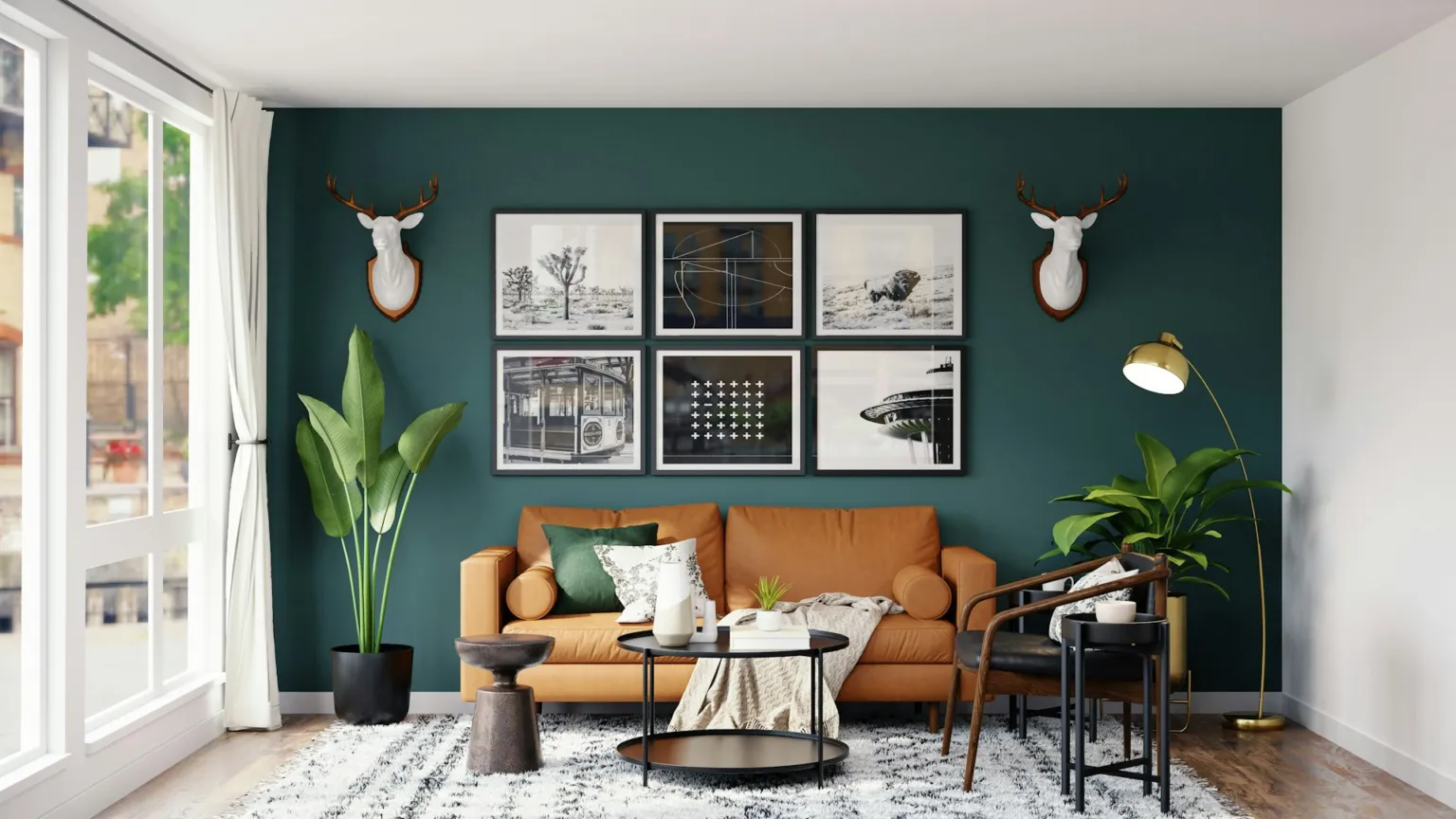
Neutral does not have to mean stark. A warm white or soft greige feels welcoming in person and still reads clean on camera. If you want some personality, add it with pillows, art and plants that leave with you, rather than with paint that stays behind.
Paint colors by room
| Room | Good color direction | What to avoid |
|---|---|---|
| Living and dining | Warm white, light greige | Dark accent walls, saturated reds |
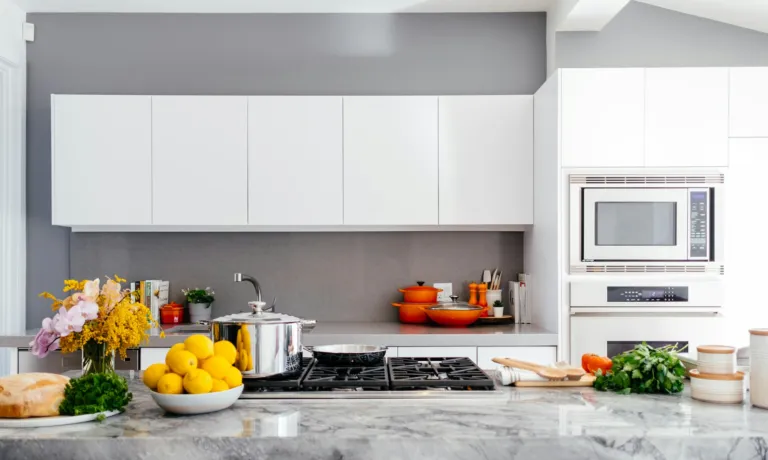
| Kitchen | Soft white or light warm gray | Bright yellows or greens that clash with counters |
| Bedrooms | Pale greige, muted soft blue-gray | Kids’ themes, very dark colors |
| Bathrooms | Clean white or pale neutral | Colors that fight with tile tones |
| Trim and doors | Crisp white, semi-gloss | Yellowed or chipped trim |
| Ceilings | Flat white | Stained or uneven patches |
Work with fixed finishes
Choose wall colors after looking at what will not change: floors, countertops, cabinets and tile. A cool gray beside warm oak floors or beige tile can look dingy. Hold paint samples against these surfaces in daylight and at night before you commit. Our guide to the best flooring for resale helps if floors are part of the plan.
Sheen, coverage and indoor air
Use flat or matte paint on ceilings, eggshell or satin on walls, and semi-gloss on trim and doors. Higher sheens show every flaw in a wall under photo lighting.
Paint and finishes can release volatile organic compounds while they dry. The EPA explains how volatile organic compounds affect indoor air quality. Choose low-VOC products where you can and ventilate well, especially if you live in the home during the project.
Lead paint in older homes
If the house was built before 1978, older layers may contain lead. Sanding or scraping can create hazardous dust. The EPA’s overview of sources of lead in the home explains the risks. Test before disturbing old paint, and hire lead-safe certified contractors for paid work.
Lighting for listing photos
Paint and light work together. The same wall can look creamy, gray or yellow depending on the bulbs and the time of day.
- Replace every dead or mismatched bulb. Use the same color temperature within each room, ideally throughout the house.
- Choose a neutral to daylight tone. Very warm bulbs can make neutral walls look yellow in photos.
- Open every window covering. Natural light is still the most flattering source.
- Turn on all lights, including lamps, under-cabinet strips and exterior fixtures, for the shoot.
- Clean fixtures and glass. Dust and dead insects show up on camera.
If you are adding smart bulbs or dimmers before the sale, our post on smart home upgrades buyers want explains which tech upgrades are worth it.
Paint, light and staging together
Fresh paint is the backdrop; staging is what sits in front of it. Once walls are done, follow our home staging tips to declutter, arrange furniture and finish each room. For more ideas, browse our decor category and the full set of selling guides.
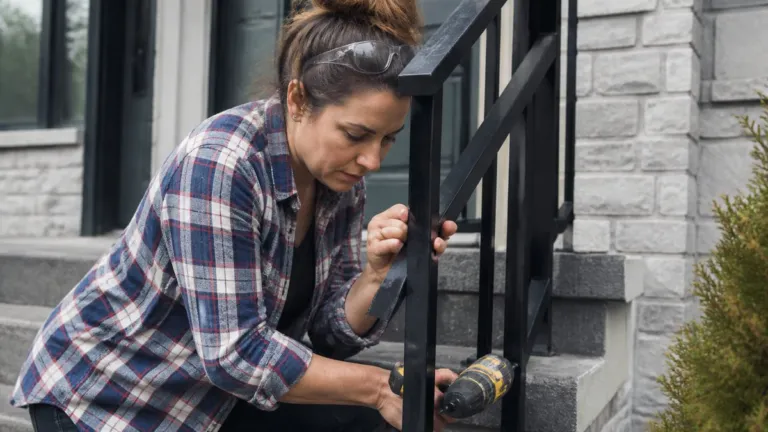
Do not forget the outside. A faded front door, peeling trim or chipped porch railings appear in the very first listing photo. Refreshing the door and trim in a color that suits the exterior is often a modest project with a visible payoff, as long as you follow ladder and lead-safe precautions.
Not sure which rooms really need paint? Ask for a walkthrough. TheKabza.com agents can point out where a fresh coat will show in photos and where it will not move the needle, and the TheKabza.com agency serves sellers across six US metros.
This article is general information, not professional design, construction or environmental advice. Use ladders safely and follow product labels and lead-safe rules.
Frequently asked questions
What is the best paint color for selling a house?
There is no single best color, but light, warm neutrals are the safest choice for most homes. Soft whites, greige and pale taupe reflect light, photograph well and suit most furniture and finishes. Always test samples next to your floors, counters and cabinets in daylight and in the evening before painting.
Should I paint before selling if my walls are already neutral?
Maybe not. If walls are clean, neutral and in good condition, touch-ups may be enough. Repaint rooms with scuffs, patched holes, water stains, smoke odor or very dated colors. Trim and doors are often worth refreshing even when walls are fine, since chipped or yellowed trim stands out in photos.
Are accent walls bad for resale?
Not always, but they are a risk. A dark or saturated accent wall can dominate photos and make a room feel smaller. If you love it, consider repainting it in a neutral before listing. A subtle, slightly deeper neutral on a fireplace or headboard wall is usually safer than a bold color.
What color light bulbs are best for listing photos?
Use one consistent color temperature throughout each room, usually a neutral white rather than very warm or very cool bulbs. Mixed bulbs create patches of yellow and blue light that photographers struggle to correct. Combine that with natural daylight by opening blinds, and ask your photographer for any shoot-day preferences.